
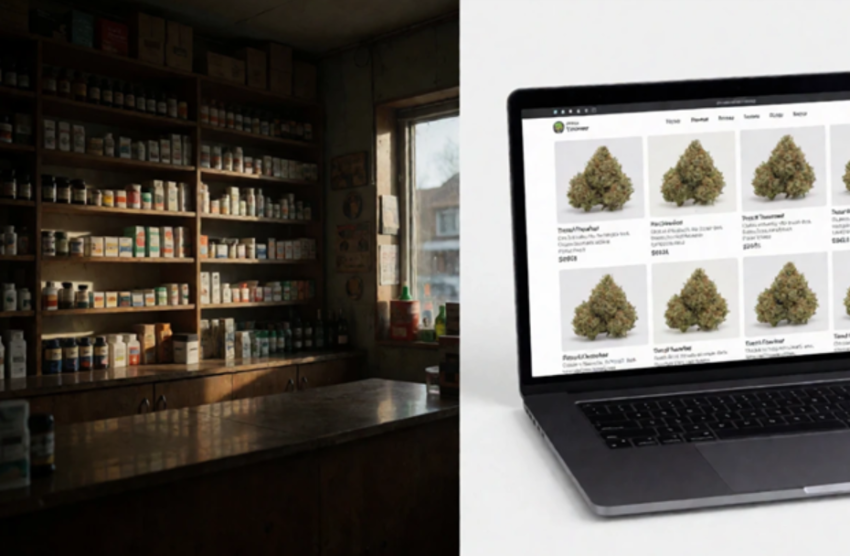
Walking into a local shop and picking out flower has its appeal. You can see the product, talk to a budtender, and walk out with your purchase in hand Buy THCA Flower Cheap Online. But if price is a factor — and for most regular buyers it is — online vendors consistently offer better deals. The gap isn’t small either.
The Price Difference Is Real
Local shops carry overhead that online sellers don’t. Rent in a retail location, staffing costs, display cases, security systems, utility bills — all of it gets baked into the price of every product on the shelf. A jar of flower that costs $45 at a local dispensary might run $25 to $30 from an online vendor selling the same tier of quality.
Online operations work differently. Many ship direct from the facility where the flower is grown, processed, and packaged. No storefront lease. No retail employees standing behind a counter. Those savings go straight to the consumer, and it shows up clearly in the per-ounce pricing.
Strain Selection Isn’t Even Close
A local shop can only carry what fits on its shelves. Floor space is expensive, and most stores stock a limited rotation of popular strains. If you want something specific — a particular cultivar, a less common terpene profile, or a niche variety — you’re at the mercy of whatever the shop decided to order that month.
Online vendors don’t have that constraint. A single website can list dozens of strains across multiple tiers, from budget smalls to top-shelf indoor. You can browse, compare, read descriptions, and check lab reports without anyone hovering over your shoulder. The selection alone makes online shopping worth considering, even before you factor in cost.
Freshness and Turnover
Here’s something most people don’t think about: online vendors with high sales volume tend to move product faster. Fast turnover means fresher flower reaching your door. A jar sitting on a local shop shelf for weeks or months is losing terpenes and drying out the entire time.
Reputable online sellers store their flower properly and ship it sealed. The product goes from storage to your mailbox in a matter of days. That timeline often beats what’s sitting in the back of a retail store.
Convenience Factor
Ordering flower online takes five minutes. You pick your strain, choose your quantity, and check out. It shows up at your door. No drive across town, no parking, no waiting in line behind someone asking twenty questions about edibles.
For repeat buyers who already know what they like, online ordering is a no-brainer. Set it up, check out, and get back to your day.
Finding the Right Online Vendor
The key is buying from sellers who are transparent about their product. Lab results should be accessible. Product photos should show the actual flower, not stock images. Strain names should be accurate and consistent.
THCA King runs their online store with this kind of straightforward approach. Competitive pricing, a wide strain selection, and lab-tested flower shipped directly to buyers. Their model keeps costs down without cutting into quality — exactly the kind of operation that makes online shopping the better deal for budget-minded buyers.
When Local Shops Make Sense
There are still reasons to buy locally. If you need flower right now, a shop wins on speed. If you’re brand new and want to smell a few options before committing, a physical store lets you do that. But for planned purchases where you’re buying an ounce or more and want the best price, online vendors have a clear edge.
Your wallet knows the difference. …


